2010
In June 2010, French actress Marion Cotillard spent a week in the heart of the tropical forests of the Democratic Republic of Congo with members of Greenpeace France and Greenpeace Africa. She delivers in video a strong testimony on the looting of Congolese forests which benefits a few industrial groups, often European.
2016
Everyone has heard about bee declines, but with so much attention focused on domesticated honeybees, someone has to speak up for the 4,000 species of native bees in North America. Natural history photographer Clay Bolt is on a multi-year quest to tell the stories of our native bees, and one elusive species – the Rusty-patched Bumble Bee – has become his white whale. Traveling from state to state in search of the Rusty-patched, he meets the scientists and conservationists working tirelessly to preserve it. Clay’s journey finally brings him to Wisconsin, where he comes face to face with his quarry and discovers an answer to the question that has been nagging him: why save a species?
2004
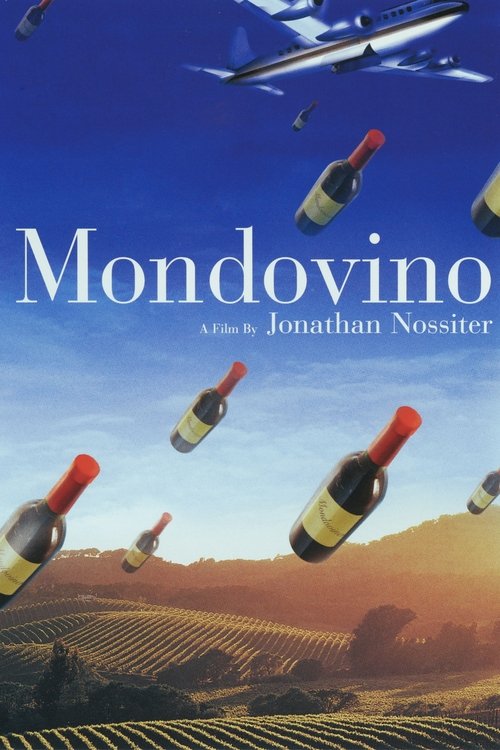
Mondovino (in Italian: World of Wine) is a documentary film on the impact of globalization on the world's different wine regions written and directed by American film maker Jonathan Nossiter. It was nominated for the Palme d'Or at the 2004 Cannes Film Festival and a César Award. The film explores the impact of globalization on the various wine-producing regions, and the influence of critics like Robert Parker and consultants like Michel Rolland in defining an international style. It pits the ambitions of large, multinational wine producers, in particular Robert Mondavi, against the small, single estate wineries who have traditionally boasted wines with individual character driven by their terroir.
2014
2015
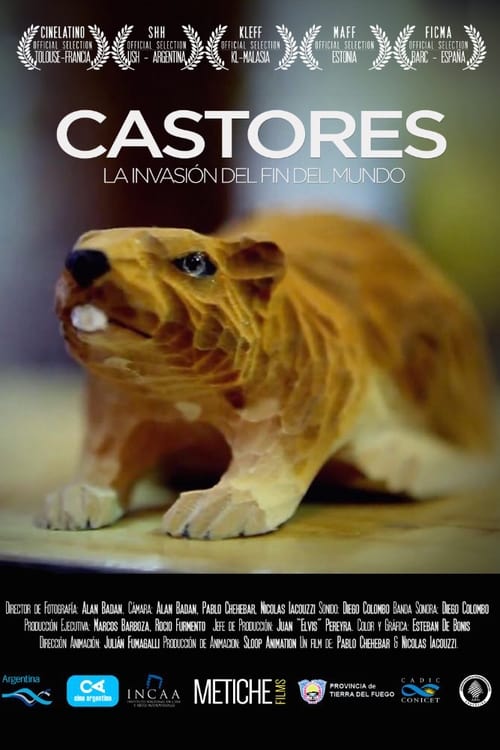
In 1940 twenty Canadian Beavers were brought to 'Tierra del Fuego' island in southern Patagonia for commercial fur production. However, beavers having no natural predators, quickly spread throughout the island, causing massive destruction of trees threatening the entire Patagonian forests rivers and species. Why wildlife conservationist are convinced that 150.000 beavers must be killed? Why some of the most recognized specialist are convinced that an eradication is not possible? Meanwhile truism is capitalizing on the situation: a man dressed as a beaver passes out flyers promoting a famous sky resort: 'Cerro Castor' - Beaver Hill. Hunters claim for subsidies, scientists are researching, rangers do what they can and restaurants tray to offer beaver meat to tourist.
2023
With unprecedented access to the nuclear industry in France, Russia, and the United States, Nuclear Now explores the possibility for the global community to overcome the challenges of climate change and energy poverty to reach a brighter future through the power of nuclear energy. Beneath our feet, Uranium atoms in the Earth’s crust hold incredibly concentrated energy. Science unlocked this energy in the mid-20th century, first for bombs and then to power submarines. The United States led the effort to generate electricity from this new source. Yet in the mid-20th century as societies began the transition to nuclear power and away from fossil fuels, a long-term PR campaign to scare the public began, funded in part by coal and oil interests.
1978
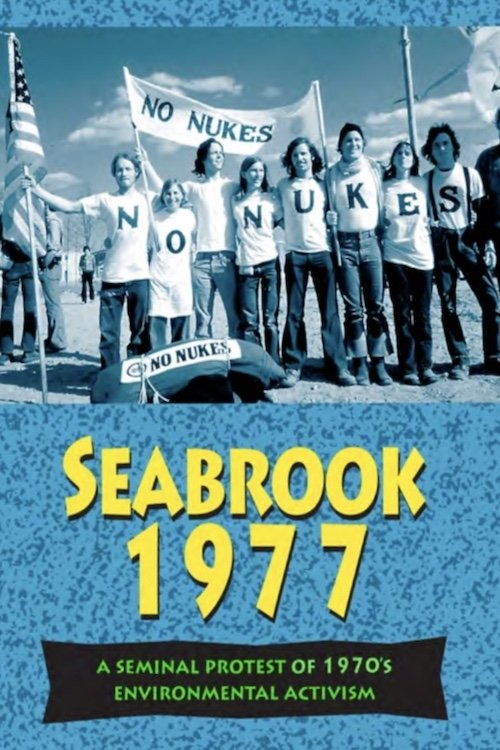
In April 1977, the small coastal town of Seabrook, New Hampshire became an international symbol in the battle over atomic energy. Concerned about the dangers of potential radioactive accidents, over 2,000 members of the Clamshell Alliance, a coalition of environmental groups, attempted to block construction of a nuclear power plant. 1,414 people were arrested in that civil disobedience protest and jailed en masse in National Guard armories for two weeks.
2012
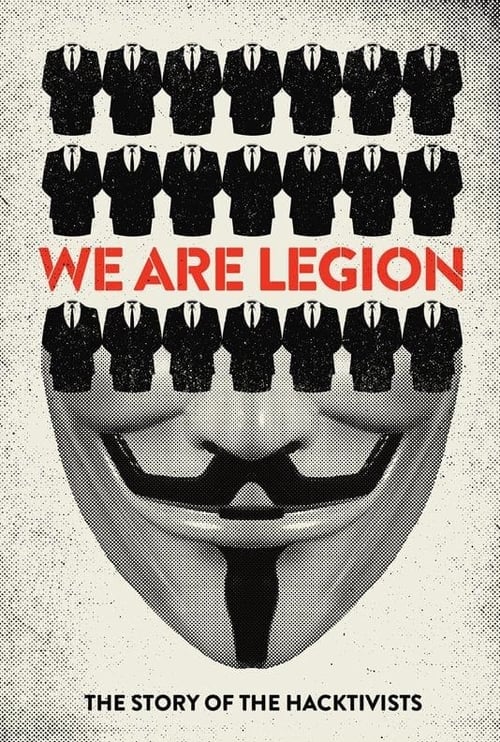
Takes us inside the world of Anonymous, the radical "hacktivist" collective that has redefined civil disobedience for the digital age. The film explores early hacktivist groups like Cult of the Dead Cow and Electronic Disturbance Theater, then moves to Anonymous' raucous beginnings on the website 4chan. Through interviews with current members, people recently returned from prison or facing trial, writers, academics, activists and major players in various "raids," the documentary traces Anonymous’ evolution from merry pranksters to a full-blown movement with a global reach, the most transformative civil disobedience of our time.
As societies grapple with the escalating concern of environmental pollution, the imperative for collective consciousness and concerted action becomes ever more pronounced. The impact of human activities on the environment demands heightened awareness and proactive measures. In this context, the utilization of First Person View (FPV) drone technology emerges as a compelling and immersive tool for capturing the essence of our surroundings. The allure of FPV drone footage lies in its ability to provide a unique and genuine perspective of various landscapes, ranging from pristine beaches to meandering valleys and flowing river currents. This immersive visual medium not only serves as a means of documentation but also as a potent catalyst for instigating dialogue and inspiring environmental stewardship.
1973
A surrealistic look at the future if man does not learn to control pollution.
2017
2018
Greenpeace brings the rampant destruction of rainforest habitat in Indonesia to grow palm oil into the spotlight.