2020
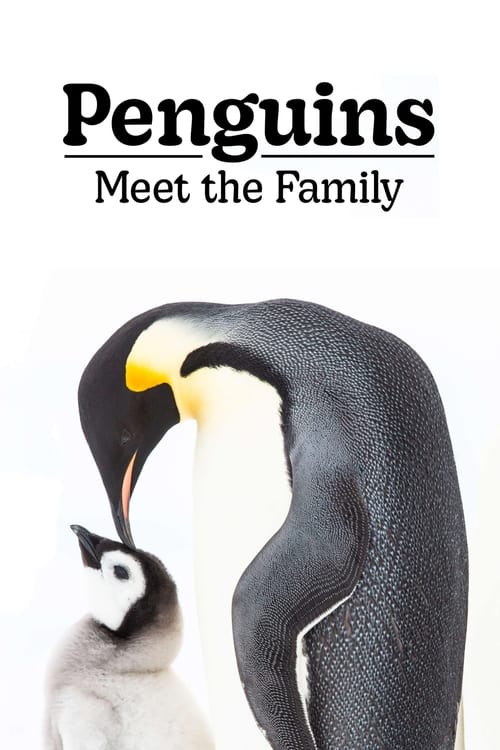
A unique celebration of one of Earth's most iconic birds, featuring all 18 species in footage from New Zealand, Cape Town, the Galapagos Islands and Antarctica.
2022
~ 3.9 km Swim ~ 180 km Bike ~ 42.2 km Run ~ The impossible journey to complete the first ever long-distance triathlon in Antarctica, The Iceman. To prove that limitations are perceptions.
2017
1991
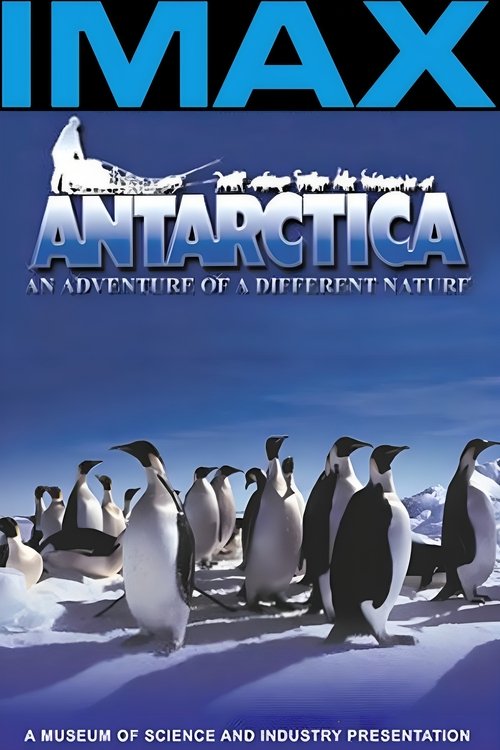
This large format film explores the last great wilderness on earth. It takes you to the coldest, driest, windiest continent, Antarctica. The film explores the life in Antarctica, both for the animals that live their and the scientist that work there.
2007
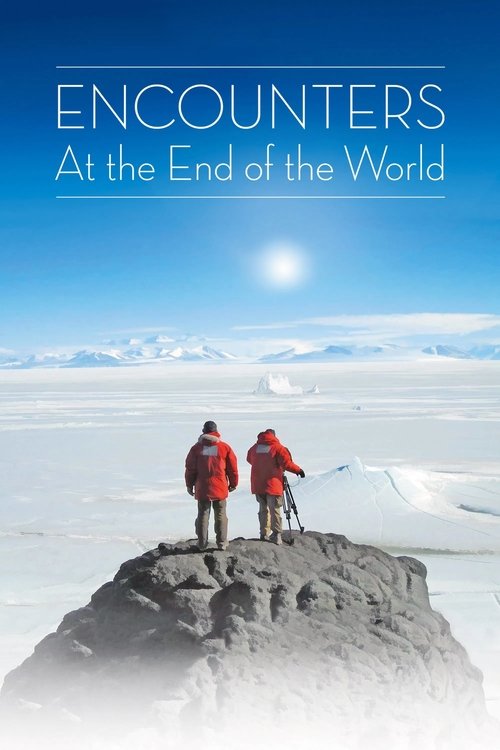
Herzog and cinematographer Peter Zeitlinger go to Antarctica to meet people who live and work there, and to capture footage of the continent's unique locations. Herzog's voiceover narration explains that his film will not be a typical Antarctica film about "fluffy penguins", but will explore the dreams of the people and the landscape.
2006
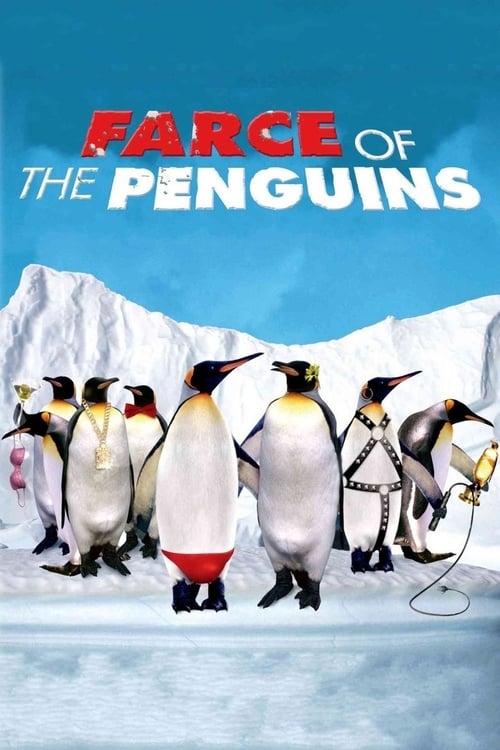
In this spoof of "March of the Penguins," nature footage of penguins near the South Pole gets a soundtrack of human voices. Carl and Jimmy, best friends, walk 70 miles to the mating grounds where the female penguins wait. The huddled masses of females - especially Melissa and Vicki - talk about males, mating, and what might happen this year. Carl, Jimmy, and the other males make the long trek talking about food, fornication and flatulence. Until this year, Carl's sex life has been dismal, but he falls hard for Melissa. She seems to like him. A crisis develops when Jimmy comes upon something soft in the dark. Can friends forgive? Does parenthood await Carl and Melissa?
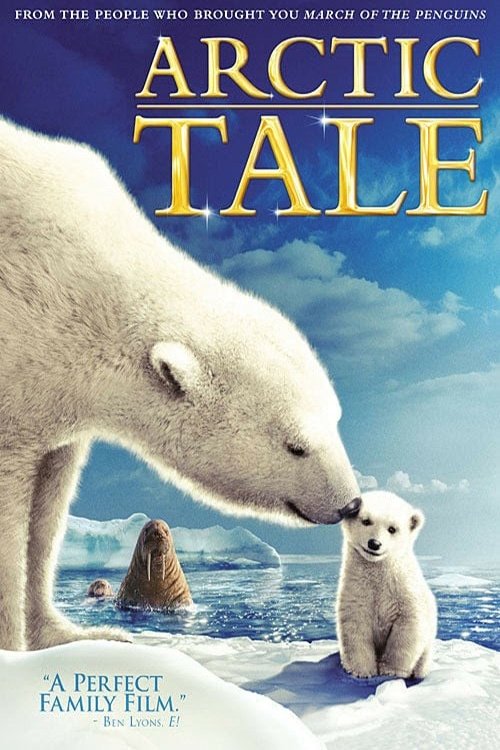
Arctic Tale is a 2007 documentary film from the National Geographic Society about the life cycle of a walrus and her calf, and a polar bear and her cubs, in a similar vein to the 2005 hit production March of the Penguins, also from National Geographic.
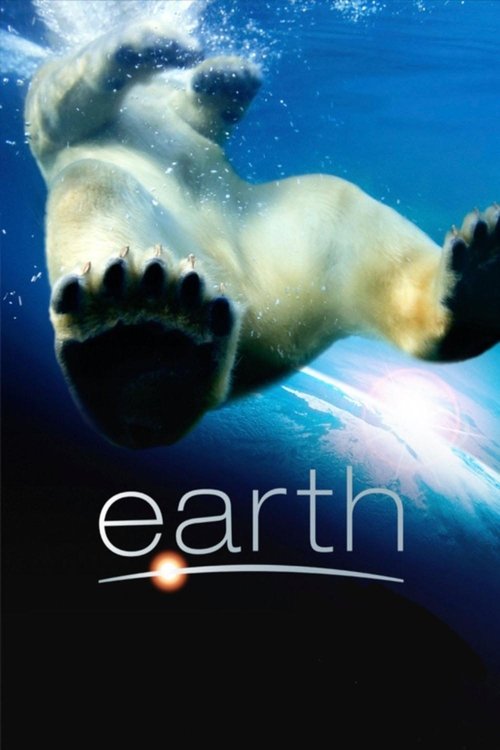
An epic story of adventure, starring some of the most magnificent and courageous creatures alive, awaits you in EARTH. Disneynature brings you a remarkable story of three animal families on a journey across our planet – polar bears, elephants and humpback whales.
2001
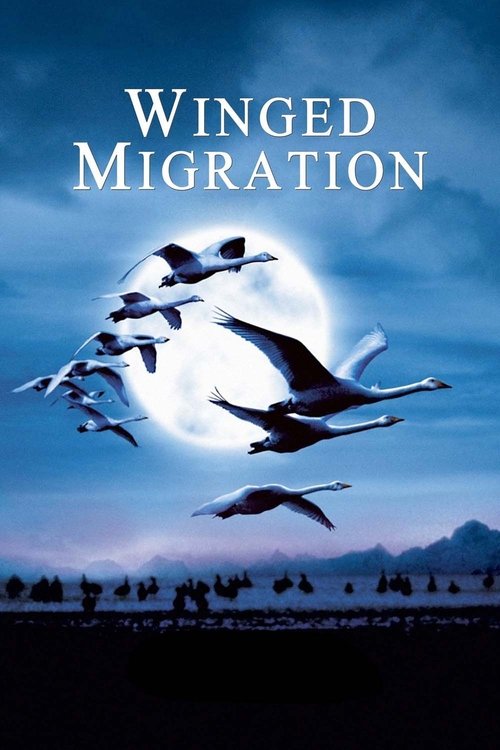
This documentary follows various migratory bird species on their long journeys from their summer homes to the equator and back, covering thousands of miles and navigating by the stars. These arduous treks are crucial for survival, seeking hospitable climates and food sources. Birds face numerous challenges, including crossing oceans and evading predators, illness, and injury. Although migrations are undertaken as a community, birds disperse into family units once they reach their destinations, and every continent is affected by these migrations, hosting migratory bird species at least part of the year.
2012
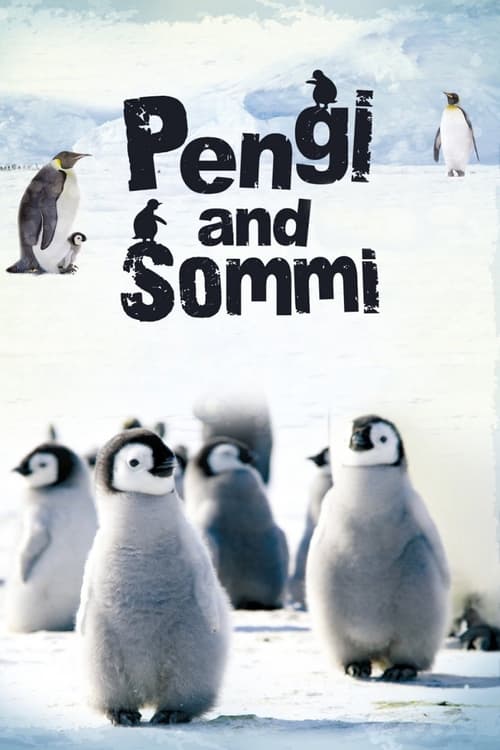
Baby Emperor Penguin Pengi and Sommi's Ultimate Challenge Begins! At 60 degrees below zero, winter has come to the South Pole, the coldest glacial region in the world. Abandoned due to its bitter coldness, the South Pole is greeted by the real natives of this place, the Emperor Penguins, who have come to welcome new lives. Through the indescribable love and care given by mom and dad, baby Emperor Penguins Pengi and Sommi awake from their egg shells. Gluttonous Pengi, the number one trouble maker in the South Pole, and cutie Sommi, who loves daddy's embrace the best, become great friends. Then one day, Sommi’s dad goes out to the sea to seek her out. Sommi left all alone, cold and starving to the brink of death, and Pengi desperately tires to help Sommi through her troubles. Could Pengi and Sommi possibly overcome numerous hardships and become beautiful full-grown Emperor Penguins?
2002
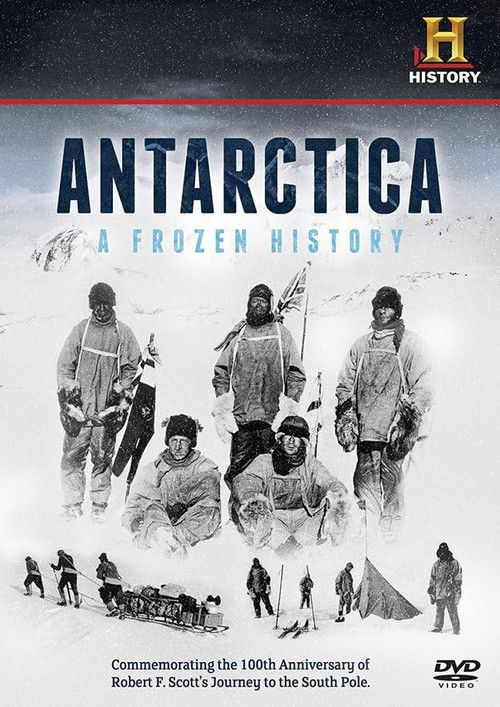
Antarctica: A Frozen History takes a look at the history and stories of the human explorations in the Antarctic. Although quite slow paced and relatively old, the documentary film successfully incorporates reconstructed film material and original Antarctic expedition footage to fully illustrate the hardships of the heroic and extreme arctic explorations. Human endurance is tested to the maximum, as the documentary takes a look back at those who have tried, failed and conquered this most unforgiving landscape. Some of these stories entail Robert Falcon Scott, a Royal Navy officer and explorer who led two expeditions to the Antarctic regions: the Discovery expedition of 1901–1904 and the ill-fated Terra Nova expedition of 1910–1913. Scott reached the South Pole in January 1912 only to find he had been beaten to the spot by 33 days. His entire party died on the return journey; eight months later, a search party discovered some of their bodies, diaries and photographs.