2010
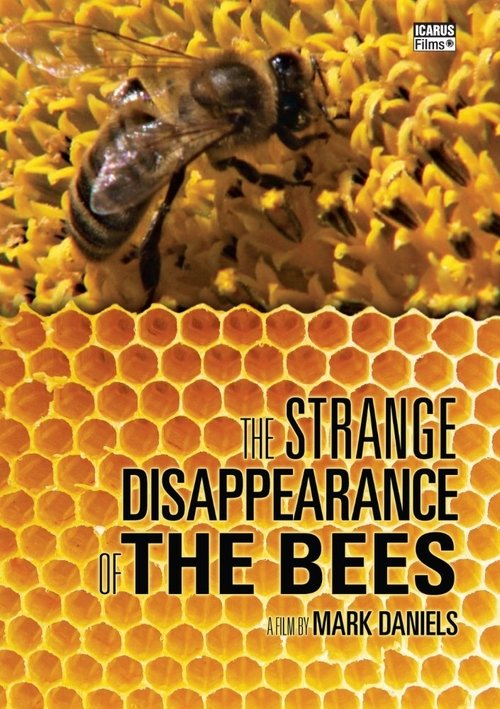
The future of our food resources depends on one small insect - the western honey bee, or Apis mellifera. Indeed, it is the most important agricultural pollinator on our planet, given that one third of our food supply depends directly on pollination from bees. This documentary tells the story of a worldwide ecological disaster that has been waiting to happen for several generations.
2024
The recent heavy workload faced by Teton County Search and Rescue crews last winter highlights the fact that some recreational users of the Bridger Teton National Forest are in critical need of more and better information regarding best practices and safe conduct on National Forest lands. Many of these incidents could potentially be avoided with proper planning and critical thinking in the backcountry. In partnership with Friends of Bridger-Teton, TGR presents Backcountry Responsibly, a digital film targeted at the growing number of winter backcountry users whose impact on the surrounding public lands has increased dramatically in recent years. Backcountry Responsibly, premieres January 7, 2024. Watch online at: https://www.btfriends.org/tgr
2016
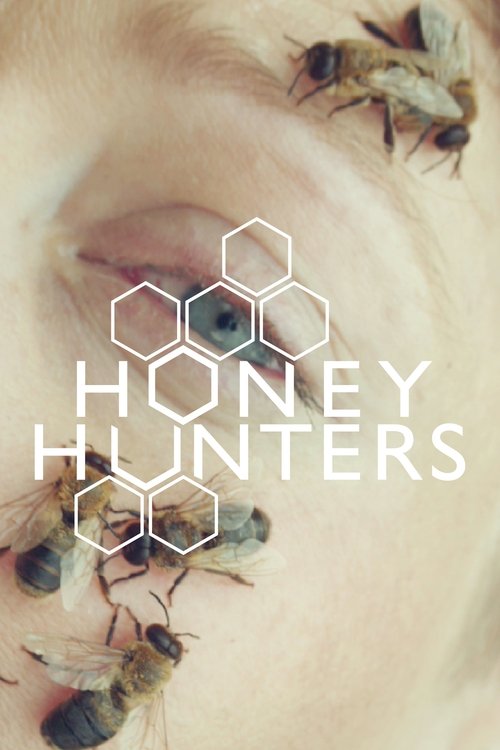
A life story of bees and people. In order to get to the bottom of the mysteries of the life of bees and show them to the audience, the camera enters a contemporary hive and a traditional wild beehive drilled in the trunk of an old tree. It wanders the forests in Poland and Ural, mountains in Nepal and... roofs of Paris and Warsaw. For millions years bees have been laboriously building the natural environment of our planet. These days, they started to die by millions. A programme of wild tree beekeeping reintroduction was launched in Polish forests. It has been an ancient local tradition. Maybe reaching for the past, the original model of coexistence of bees and people, for wild tree beekeeping, can help us to save the bees? After watching “Honey Hunters” everyone wants to have their own beehive and harvest their own honey!
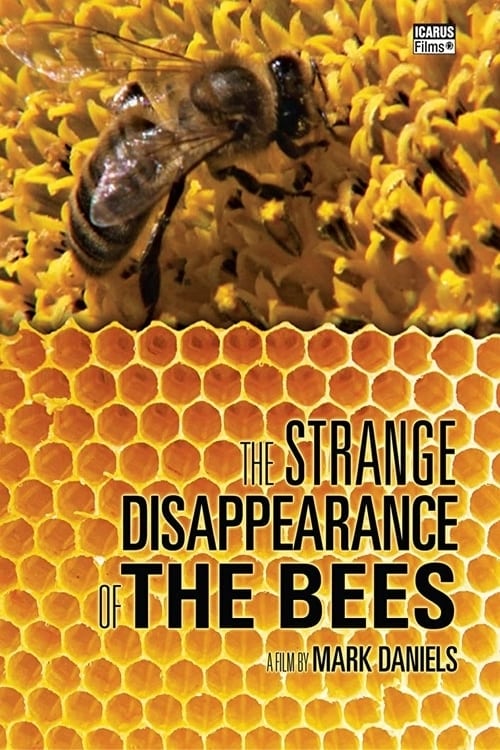
Investigation into a global ecological disaster that could endanger the entire human race. Today, a third of our food depends directly on bees, the most important agricultural pollinator* on our planet. Yet, for several years now, millions of bees have been mysteriously disappearing. Why? Will we be able to cope with this predicted catastrophe?
1974
Learn about bicycle safety with host Bill Cosby.
1989
Seniors are amongst the most vulnerable members of society. This educational video will teach them techniques to defend themselves from thieves and attackers.
1980
This short cautionary training film examines dangers associated with earthmoving equipment operation, showing many simulated accidents on construction sites.
1981
A 1981 educational film about the perils of school bus drivers having a bad attitude while on the job. Follow Barbara, a model employee... until she developed a bad attitude and let it effect her job performance.
1998
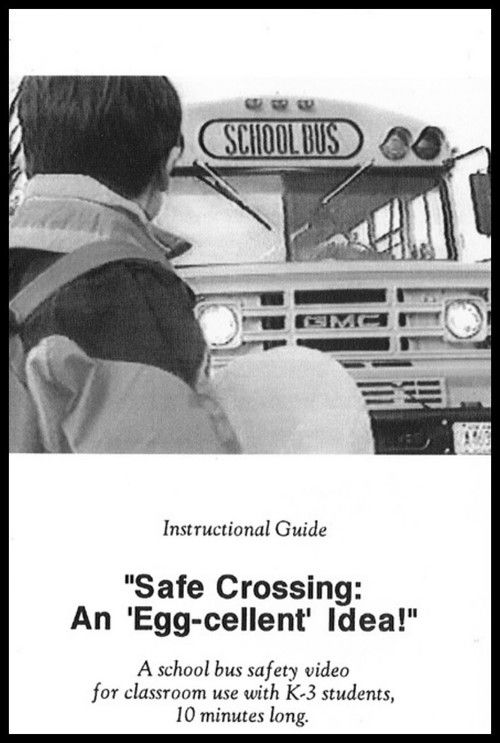
This video reinforces the importance of safe crossing and loading/unloading behaviors for primary age students. In the story, the main character goes on an adventure with his pet dinosaur “EGG” to stress the dangers of the loading zone.
1993
US federal investigators are called in to determine the cause of a mysterious jetliner crash in Panama. Nothing about the accident makes sense, until a key clue emerges.
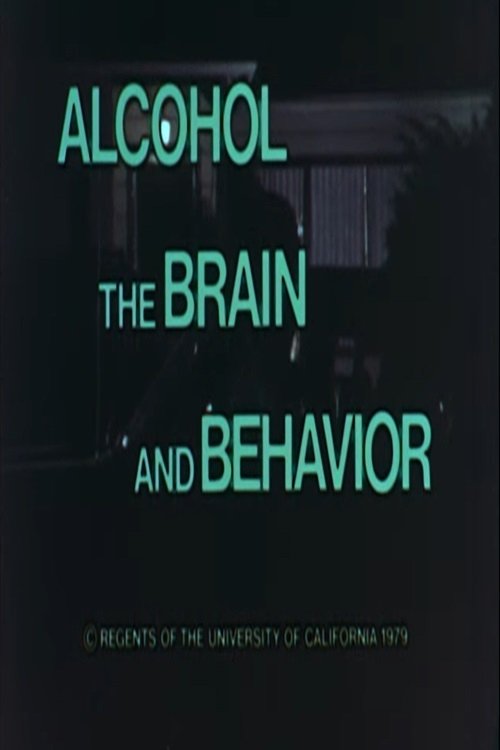
1979
Discusses the effects of alcohol on the brain and behavior, particularly in relation to driving. It explains how alcohol impairs judgment, perception, coordination, and vital functions by affecting different brain regions. Factors influencing blood alcohol concentration (BAC) include the amount consumed, body size, sex, and the rate of consumption. The video also debunks myths about sobering up and emphasizes the importance of allowing time for alcohol to metabolize before driving. Even at BAC levels considered legally impaired, individuals may not recognize their diminished capabilities.
Discusses the dangers of accidental poisoning, particularly in children, due to household substances like cleaners and medications. It emphasizes the importance of identifying the product involved in the poisoning, recognizing symptoms, and taking immediate action. Key steps include diluting the poison with milk or water, calling for medical assistance, and bringing the poison container to the hospital. The document also highlights the risks of drug misuse and inhalation of toxic fumes, urging quick responses to emergencies.