1895
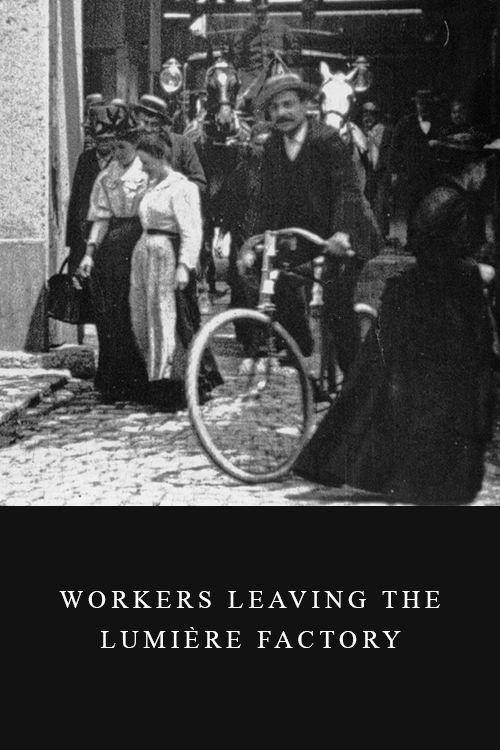
Working men and women leave through the main gate of the Lumière factory in Lyon, France. Filmed on 22 March 1895, it is often referred to as the first real motion picture ever made, although Louis Le Prince's 1888 Roundhay Garden Scene pre-dated it by seven years. Three separate versions of this film exist, which differ from one another in numerous ways. The first version features a carriage drawn by one horse, while in the second version the carriage is drawn by two horses, and there is no carriage at all in the third version. The clothing style is also different between the three versions, demonstrating the different seasons in which each was filmed. This film was made in the 35 mm format with an aspect ratio of 1.33:1, and at a speed of 16 frames per second. At that rate, the 17 meters of film length provided a duration of 46 seconds, holding a total of 800 frames.
2022
JB Smoove and Martin Starr host a celebration of 20 years of "Spider-Man" movies, from the Sam Raimi trilogy to Marc Webb's movies and the trio from Jon Watts.
1964
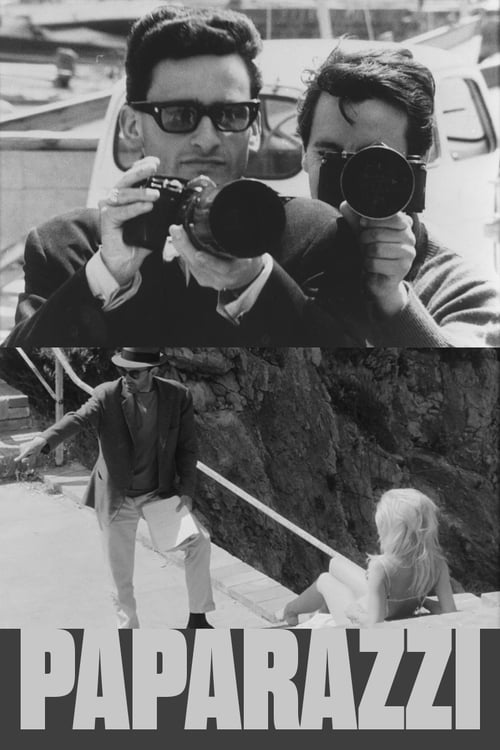
Paparazzi explores the relationship between Brigitte Bardot and groups of invasive photographers attempting to photograph her while she works on the set of Jean-Luc Godard's film Le Mépris (Contempt). Through video footage of Bardot, interviews with the paparazzi, and still photos of Bardot from magazine covers and elsewhere, director Rozier investigates some of the ramifications of international movie stardom, specifically the loss of privacy to the paparazzi. The film explains the shooting of the film on the island of Capri, and the photographers' valiant, even foolishly dangerous, attempts to get a photograph of Bardot.
2025
Why do we cheat in class? Why do they let us? In this short documentary we interview a class of high school students and study their motives behind deciding to cheat in class rather than study while witnessing it happening in action.
1896
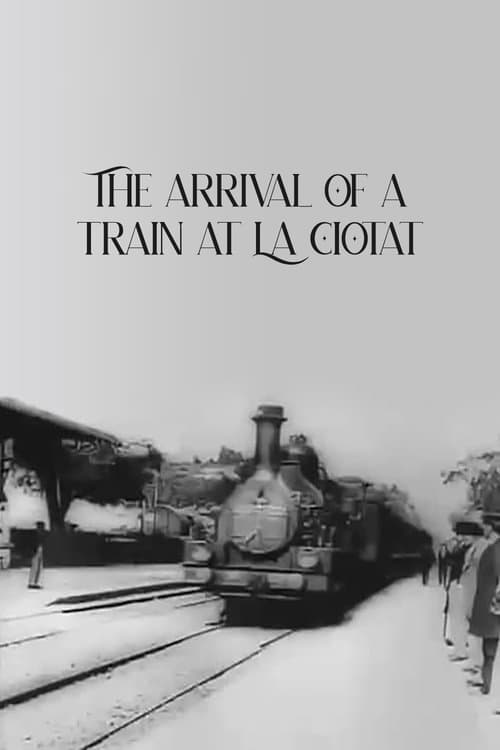
A group of people are standing along the platform of a railway station in La Ciotat, waiting for a train. One is seen coming, at some distance, and eventually stops at the platform. Doors of the railway-cars open and attendants help passengers off and on. Popular legend has it that, when this film was shown, the first-night audience fled the café in terror, fearing being run over by the "approaching" train. This legend has since been identified as promotional embellishment, though there is evidence to suggest that people were astounded at the capabilities of the Lumières' cinématographe.
2007
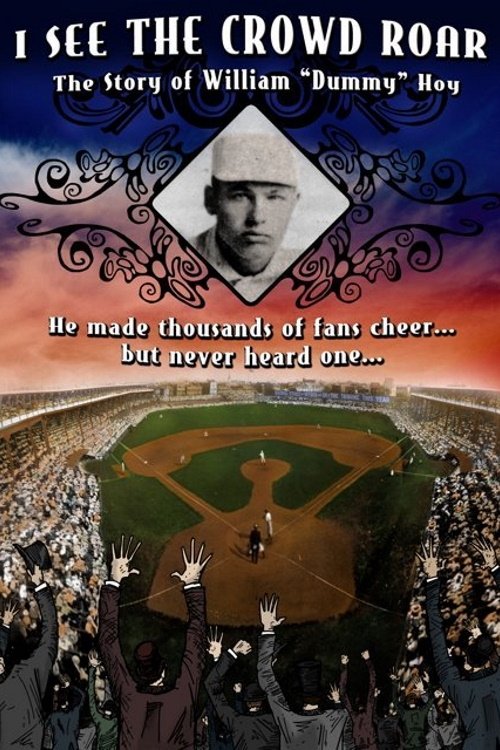
A true story of a courageous boy who becomes a legend. Living a dream that wouldn't die; his passion empowered him to historically change the course of baseball. Facing challenges on every front he conquers all with his belief and determination; a true hero. A life changing story!
2014
Retrospective featurette included with the 2014 Blu-ray by Arrow Video.
Retrospective interview with Joe Pantoliano included with the 2014 Blu-ray by Arrow Video.
2018
Documentary that tells the story of Vianney Trejo, a young woman who struggles every day despite her disability. We go through her daily routine, as well as her passion, swimming, where she has consistently achieved triumphs and has been considered for international competitions.
2006
A unique documentary that interlaces archival interviews with author Philip K. Dick with chats featuring cast and crew. Discussed are the origins of the story, parallels the cast and crew sees to the goings-on in today's world, and adapting the story for film, modern audiences, and its unique look.
1927
A day in the city of Berlin, which experienced an industrial boom in the 1920s, and still provides an insight into the living and working conditions at that time. Germany had just recovered a little from the worst consequences of the First World War, the great economic crisis was still a few years away and Hitler was not yet an issue at the time.
1933
An exploration —manipulated and staged— of life in Las Hurdes, in the province of Cáceres, in Extremadura, Spain, as it was in 1932. Insalubrity, misery and lack of opportunities provoke the emigration of young people and the solitude of those who remain in the desolation of one of the poorest and least developed Spanish regions at that time.