1997
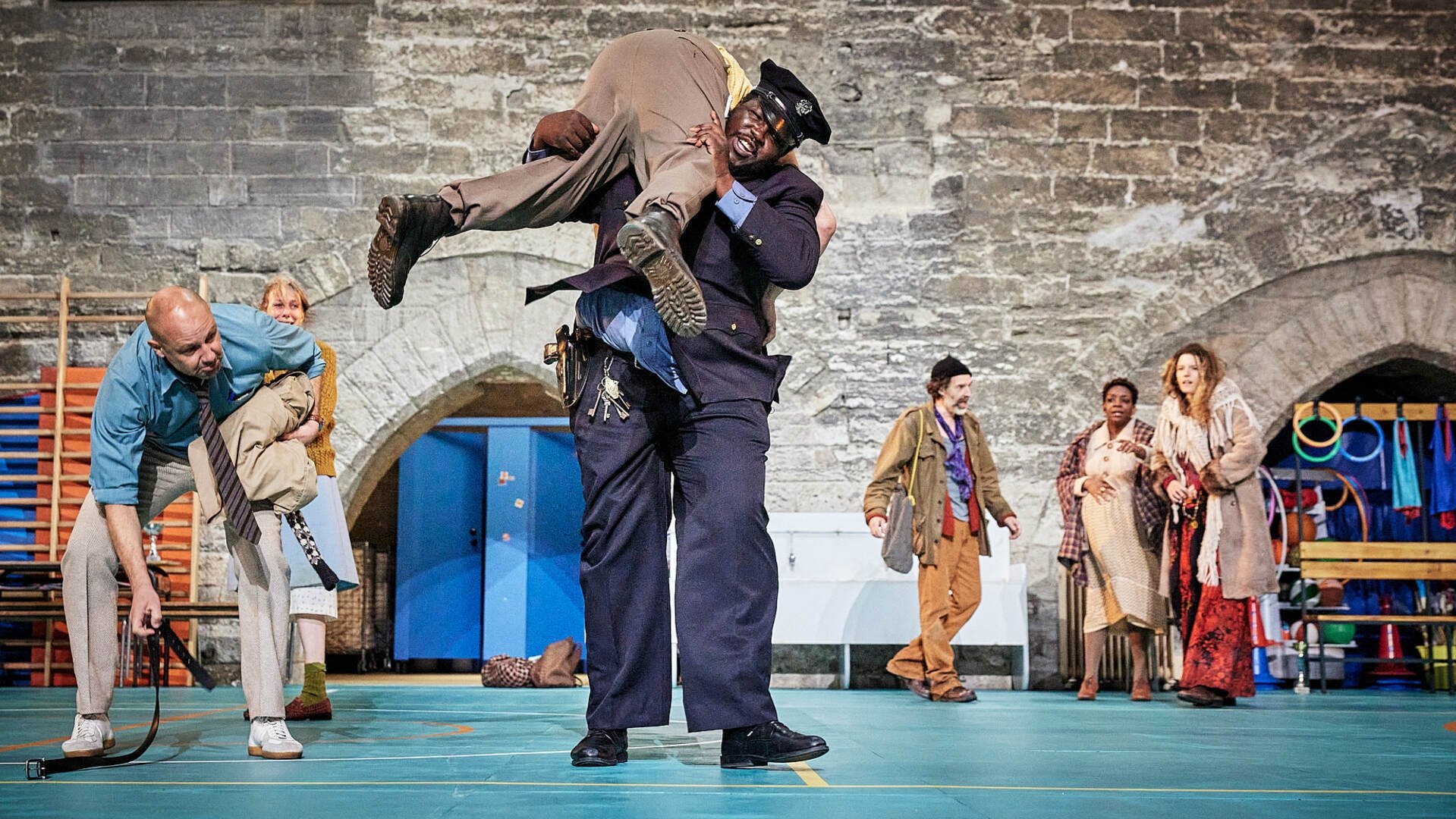
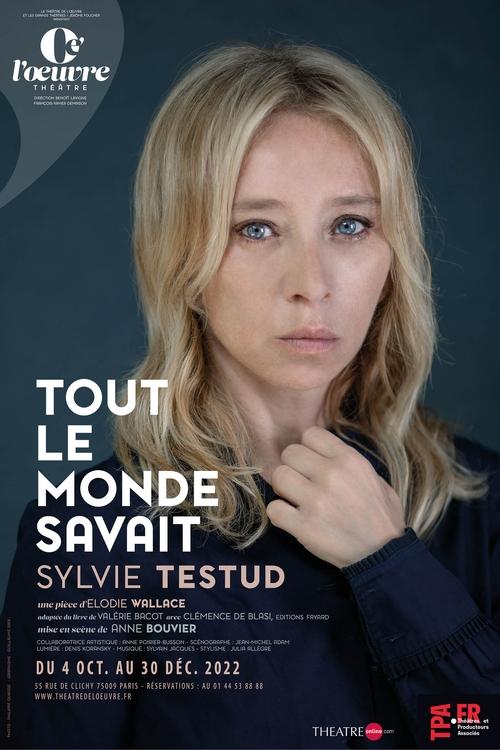
Tartuffe is a hypocritical impostor who manages to manipulate Orgon, a wealthy widowed bourgeois, by feigning devotion. Orgon ends up offering his daughter Mariane in marriage to Tartuffe, while he disowns his son Damis and intends to donate all his possessions to Tartuffe. Elmire, Orgon's young wife, whom Tartuffe is courting, will attempt to expose him, while the royal family intervenes to prevent the ruin of Orgon's family.
1963
1962
2022
2023
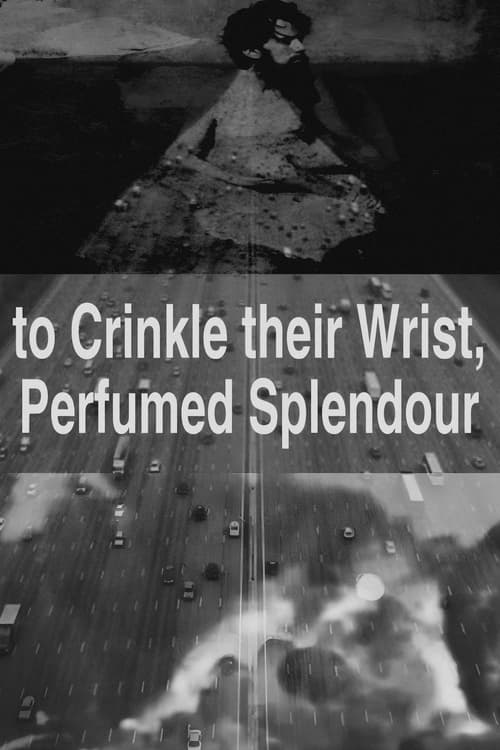
An omnium-gatherum of film, poem, and song excerpts contextually juxtaposed in an attempt to explore masculinity, alienation, and identity in a post-industrial society.
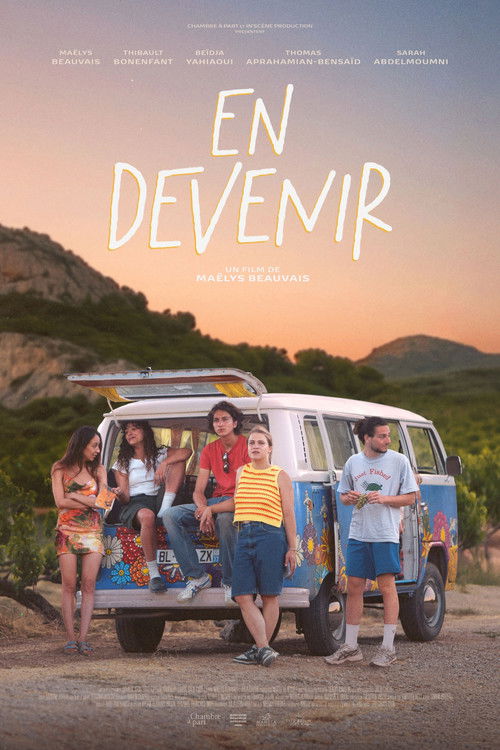
Friday, July 4 marks the end of a chapter for Sacha: her final day of drama school and the beginning of the long road to finding her place as an actress. That very evening, she heads to the Avignon Festival. She sets off in her van with four friends - a journey to come to terms with failure and to prove, to her family and to herself, that she made the right choice.
1974
2024
2025
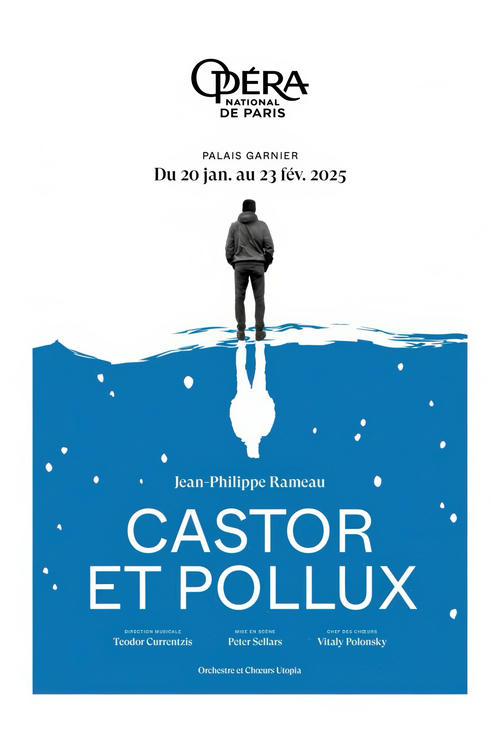
A return to its roots for Castor et Pollux, Jean-Philippe Rameau’s lyric tragedy first performed in 1737 at the Académie royale and inspired by the mythological episode of the Gemini. Rarely performed in its original version – the score was reworked by Rameau himself in 1754 –, this daring work plays on contrasts and expressiveness, as in the famous “Tristes apprêts”. The aria is sung by Télaïre mourning the death of her fiancé Castor, killed in battle, before his twin brother Pollux descends into the Underworld to ask his father, Jupiter, to bring him back to life. While this opera celebrates brotherly love, its prologue poses an essential question for director Peter Sellars: how do you stop a war and its attendant hatred and resentment?