2011
Haïti Chérie is a respond to the 2010 earthquake in Haiti. A few weeks after the catastrophe Huber carries out a performance over the snowy, seemingly endless, frozen sea in Finland, waters carrying on to reach the coasts of Haiti. Snow angels drawn by Huber’s body symbolize sorrow and lives lost, but also solidarity and hope.
2023
Ma traversée is a personal quest, filmed over 20 years, recounting the racial issues and privileges that have punctuated the filmmaker’s life in three French-speaking societies: Guadeloupe, France and Quebec. From her own story emerges the broader narrative of colonization, colorism, assimilation, integration and the social benefits of “race” and their impact even today. Brutalized by police officers in Montreal in December 2017 in front of witnesses, the filmmaker takes a step back to understand this gesture, which speaks to the social interpretation of skin color.
Living Memories is a documentary film that traces the history of the director’s neighborhood and native country, Haiti, through a personal and engaged perspective. Brick by brick, through encounters and wanderings throughout Port-au-Prince’s neighborhoods, archival photos, graffiti, and animations, the filmmaker introduces us to architect Léon Mathon and the residential architecture of the early 20th century. Over the ruins of her family home, Dominique, the director's mother, an architect like her father and grandfather before her, searches through her memories and significant places for traces of the past and the history of her country. Many of her landmarks are no longer there. From this tragedy arises a quest — a need to reconnect memory and history to understand the present better. The filmmaker follows her mother during her journey, capturing her reflections and conversations and documenting them to bring memories back to life.
This incisive, urgent documentary examines the history of anti-Black racism in hockey, from the segregated leagues of the 19th century to today’s NHL, where Black athletes continue to struggle against bigotry.
2008
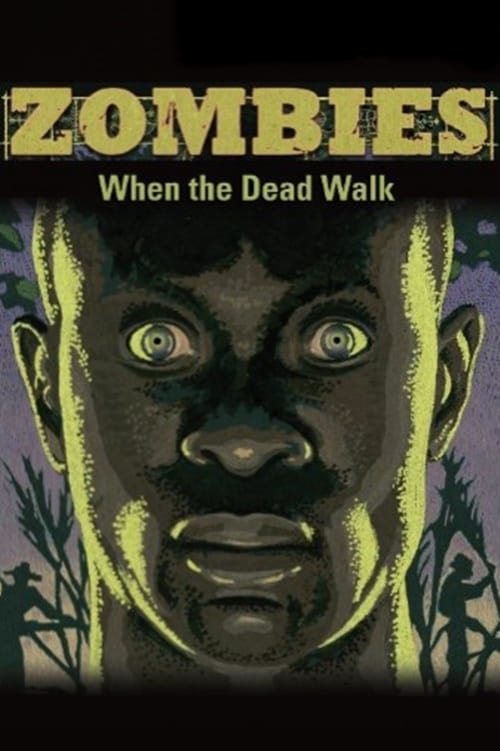
Zombies are part of pop culture, but what are they? Where do they come from? To find real zombies we visit Haiti where Zombies are an integral part of the island's cultural and religious roots.
2003
A couple from North Preston, Nova Scotia plan an elaborate wedding with dozens of bridesmaids.
2009
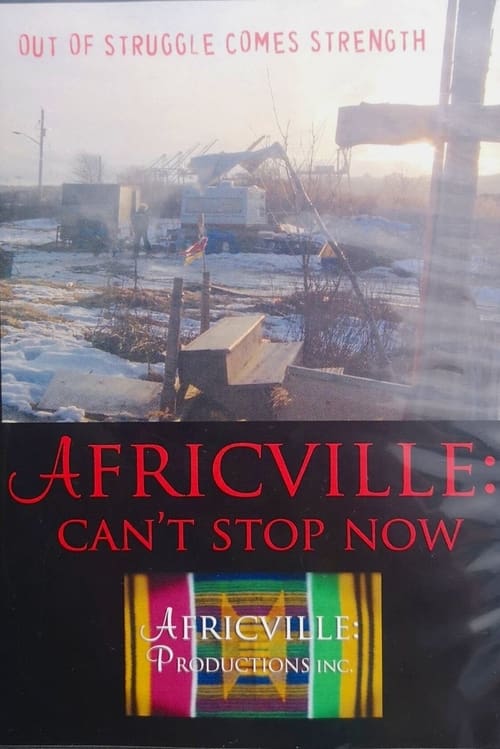
Located on the northern shore of Bedford Basin, Africville was home to the many African-Canadian families who lived there for generations. In the 1960s, the city of Halifax expropriated Africville and residents were forced to leave their homes and businesses behind. Today, former residents of Africville are fighting for reparations and an official apology.
2024
Abandoned on the doorstep of a Montreal orphanage, Johanne Harrelle eventually rose to prominence as a gifted artist, actress, and one of North America's first Black models. Simply Johanne deftly explores her complex and audacious life through archival footage, interviews with loved ones and performances of her writings by three contemporary actresses. The film chronicles the journey of a magnetic and passionate woman who defied the expectations of her time.
2004
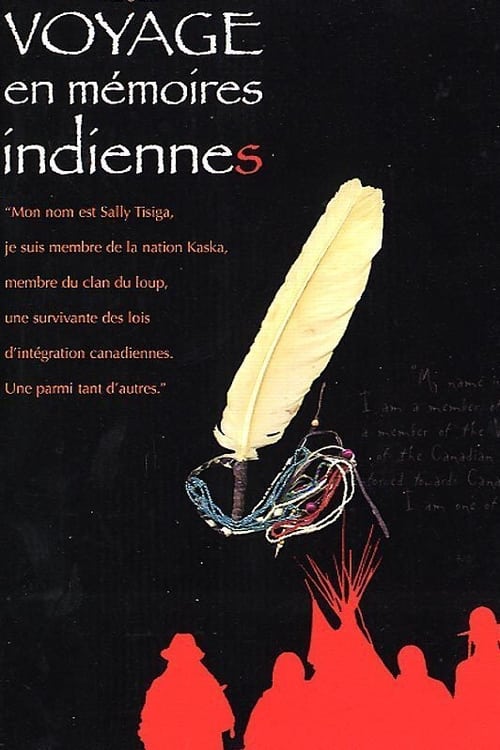
A woman with indiginous roots in her 40s goes on a trip into her past: When she was four years old she had been taken away from her mother by the canadian authorities, like many others. This is her very sad story as an example for many others.
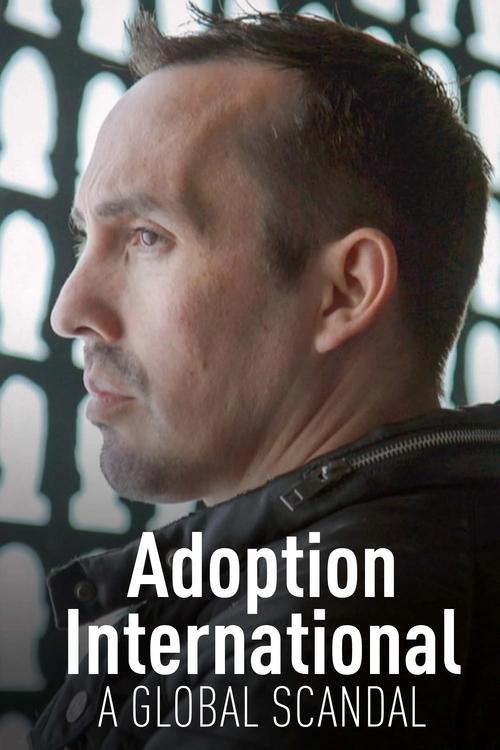
In the collective imagination, international adoption evokes images of children being saved from a life of destitution in poorer countries by being adopted by families in Europe or America. But the reality that has emerged is one of child trafficking, falsified documents and governments around the world turning a blind eye.
2026
In an effort to understand where she came from, Fabiola asked a question that became the central phrase of the film: what would my life have been like if I'd stayed in Haiti? Taking as her starting point her biological mother's precarious economic situation, she had no choice but to entrust her daughter to her care. Fabiola could have ended up restavek, or in a loving foster family, or on the streets abandoned to her fate, or adopted abroad.
2017
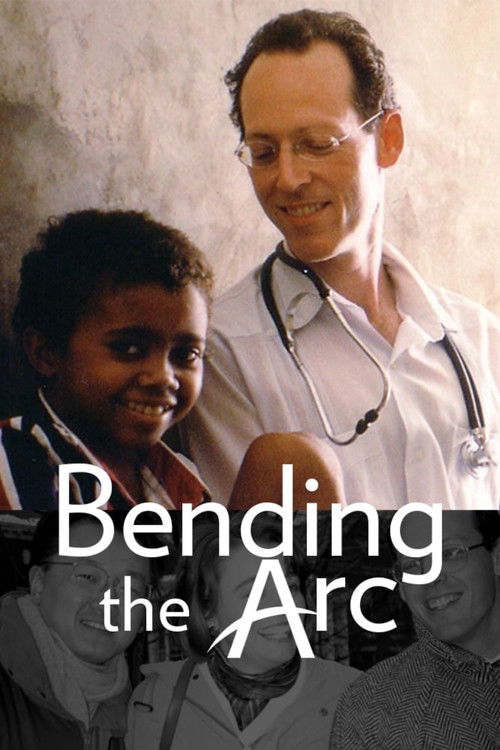
About the extraordinary doctors and activists—including Paul Farmer, Jim Yong Kim, and Ophelia Dahl—whose work 30 years ago to save lives in a rural Haitian village grew into a global battle in the halls of power for the right to health for all.