2025
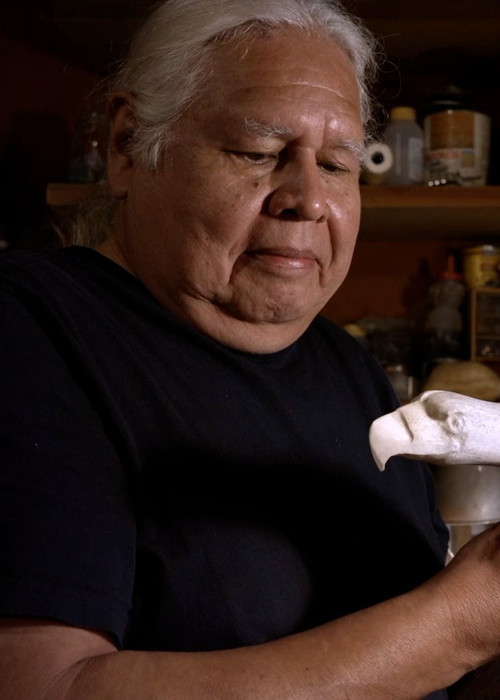
Stan Hill Jr. is a Haudenosaunee artist living in Miawpukek First Nation Reserve, Conne River, Newfoundland. In “The Bear Inside a Whale,” he and his family discuss racism, identity, religion, creation and art, along with the cultural extinction of the Beothuk of Newfoundland. Throughout the film, we follow Stan carving a bear out of a whale vertebra. And we visit The Rooms (museum) in St. John’s, Newfoundland, where Stan talks about viewing and reclaiming Indigenous artefacts.
2003
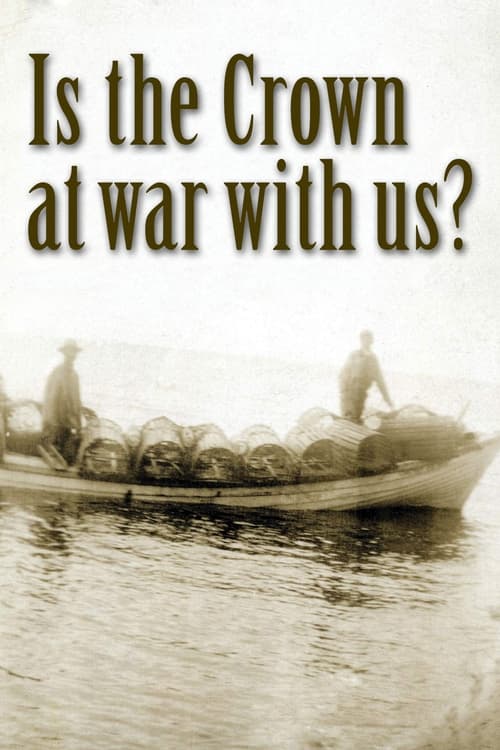
In the summer of 2000, federal fishery officers appeared to wage war on the Mi'gmaq fishermen of Burnt Church, New Brunswick. Why would officials of the Canadian government attack citizens for exercising rights that had been affirmed by the highest court in the land? Alanis Obomsawin casts her nets into history to provide a context for the events on Miramichi Bay.
2010
Documents the conflicts and tensions that arise between highland migrants and Mosetenes, members of an indigenous community in the Bolivian Amazon. It focuses particularly on a system of debt peonage known locally as ‘habilito’. This system is used throughout the Bolivian lowlands, and much of the rest of the Amazon basin, to secure labor in remote areas.
2017
From a historic genocide trial to the overthrow of a president, the sweeping story of mounting resistance played out in Guatemala’s recent history is told through the actions and perspectives of the majority indigenous Mayan population, who now stand poised to reimagine their society.
2022
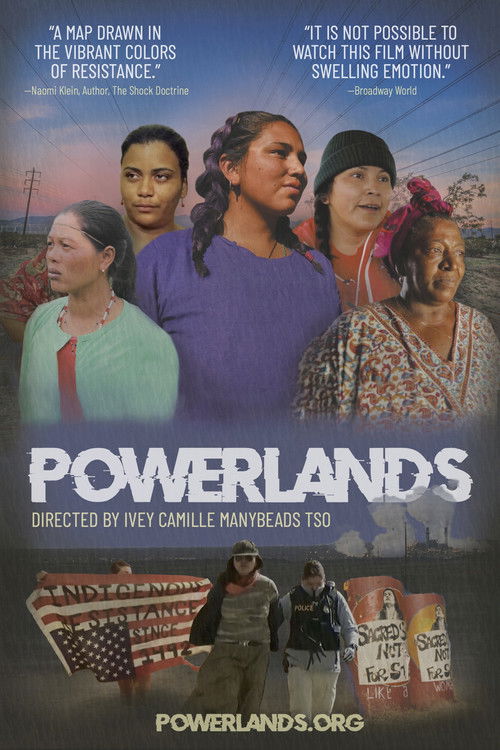
A young Navajo filmmaker investigates displacement of Indigenous people and devastation of the environment caused by the same chemical companies that have exploited the land where she was born. On this personal and political journey she learns from Indigenous activists across three continents.
2023
Following filmmaker Taye Alvis as he looks to reconnect to his community of Walpole Island First Nation. Taye will explore his relationship to Walpole Island, and how one can reconnect to their traditions and culture by way of conversation, arts, and recreation.
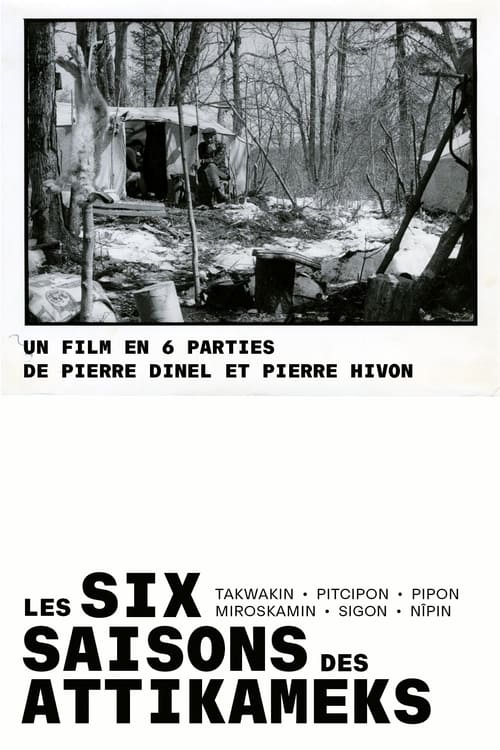
More than an attachment to our territory, the Innu live a filial relationship with Nitassinan, our ancestral homeland. For so many generations, the land has nourished, cared for and raised us. It has inspired our language, our culture, our lifeway and our vision of the world. Throughout the seasons, our ancestors criss-crossed the territory on foot, by canoe or on snowshoes. They knew every river, lake, or stream; every mountain, hill or bog; every camp, trail and portage path. Nomadism forged our people, and the film will record this journey and our history – past, present and future. And while it will attest to our vitality and resilience it is also – and above all – a tribute and a message of respect for the Earth.
2004
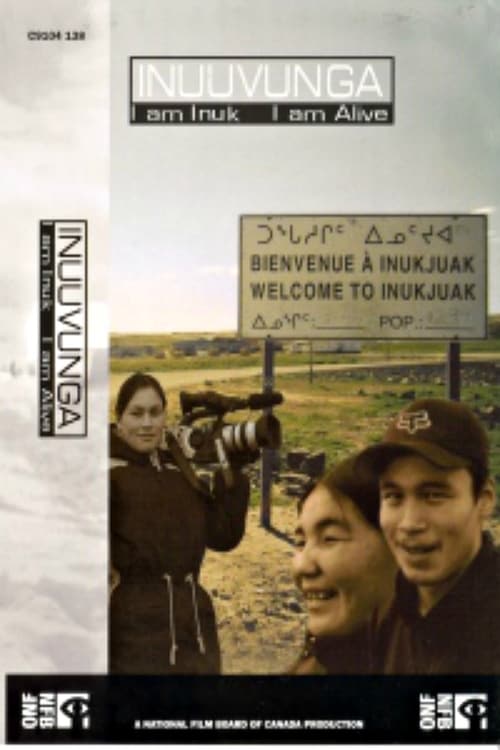
In this feature-length documentary, 8 Inuit teens with cameras offer a vibrant and contemporary view of life in Canada's North. They also use their newly acquired film skills to confront a broad range of issues, from the widening communication gap between youth and their elders to the loss of their peers to suicide. In Inuktitut with English subtitles.
Herlinda Augustin is a Shipibo healer who lives with her family in Peruvian Amazonia. Will she and other healers be able to maintain their ancient tradition despite Western encroachment?
2015
2024
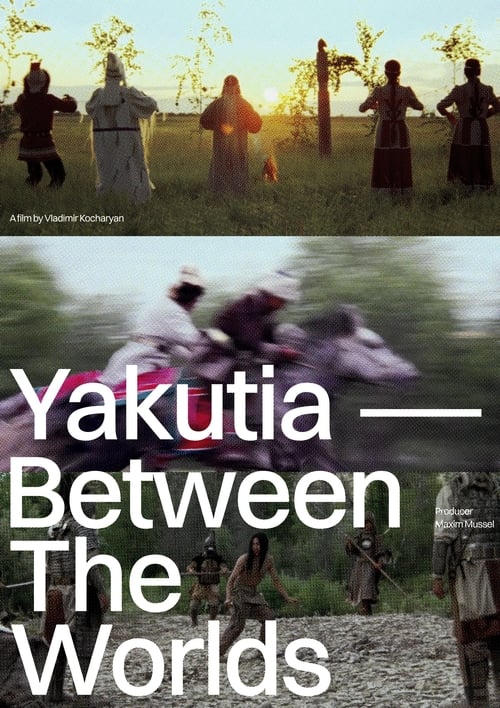
A documentary road movie. Traveling across his homeland, the filmmaker explores what Yakut cinema is, and what it means to the Sakha people and to himself.
2021
Regnum Fest is a documentary that examines reenactors dedicated to preserving the traditions of the Hungarian conquest and the Árpád era, showcasing various groups that recreate life from the 10th to the 13th centuries. The leaders of these groups share insights into their work in historical reenactment and armed combat, both on foot and horseback.