2025
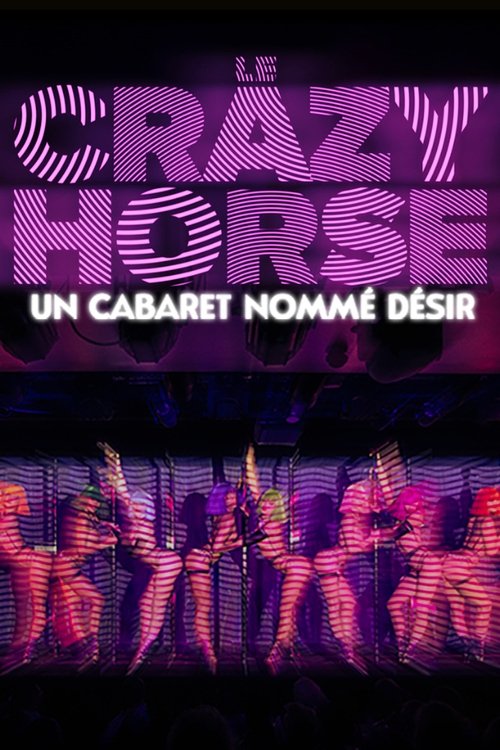
Artfully erotic nudity with plush, glamorous décor and sensual, atmospheric lighting: The Crazy Horse, in the French capital’s well-heeled eighth district, has been delighting audiences for 70 years with its special brand of classy Parisian cabaret.
2022
2009
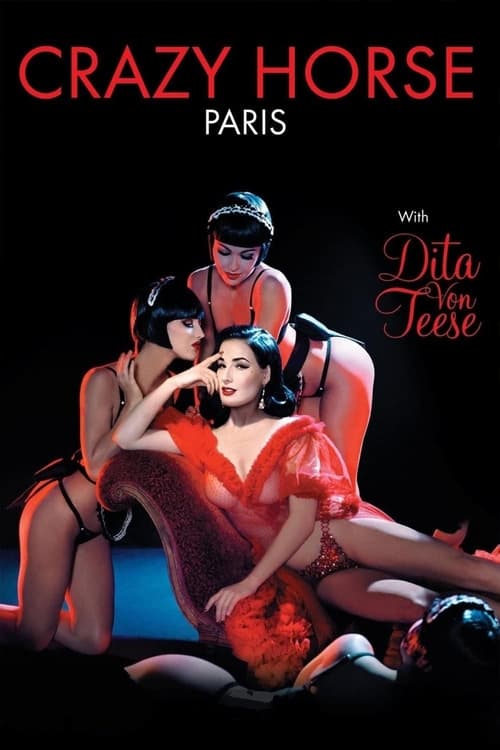
The Crazy Horse cabaret has been a Parisian night hotspot since 1951. The cabaret is known for celebrating the beauty, personality and pure talent of its female dancers. Since opening, the Crazy Horse has captivated the imagination of more than six million spectators, including many celebrities, with its stunning sexy shows. Since 2001, the Crazy Horse shows are also performed at the MGM Grand in Las Vegas. In February 2009, Dita Von Teese, the uber glamorous icon and international striptease diva, was the first guest star to appear in a Crazy Horse show. This DVD showcases the full show including three of Dita’s sensual numbers.
1956
This ultra-kitsch documentary goes behind the scenes at Murray's Cabaret Club, where Christine Keeler was later a showgirl.
2012
2016
What happened to those vedettes who represented the mexican cabaret’s exotic beauty in the ‘70s and ‘80s? Four decades after the end of their roles, they tell their stories with dignity.
2000
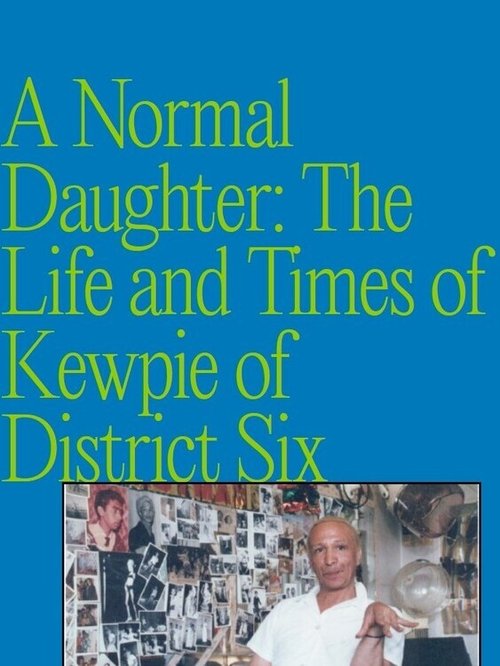
Before South Africa’s apartheid government in the 1970’s destroyed District Six, being gay, or “moffie,” was an accepted part of this racially and religiously diverse community in Cape Town. Kewpie's hairdressing salon was the epicenter of this culture, a meeting place where the “girls” organized drag balls and cabaret performances, all of which are captured through her amazing collection of snapshots.
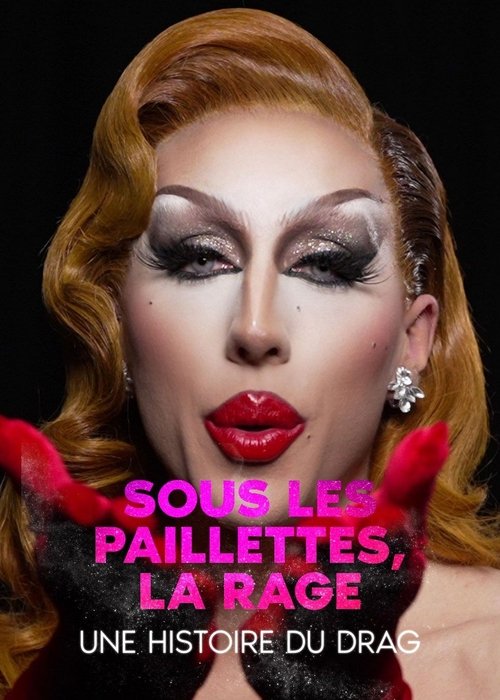
The art of drag represents an artistic transformation where individuals create characters by amplifying gendered traits, challenging established social norms. This practice, known for its spectacular performances, has evolved through periods of repression and acceptance. Through humor and self-mockery, drag disrupts conventions and is deeply rooted in the history of LGBT+ movements. This documentary traces the history of Drag in France and around the world, from William Dorsey Swann—a young emancipated slave considered the first drag queen—to RuPaul, Nicky Doll, and Paloma. Featuring contributions from historians, anthropologists, and sociologists specialized in drag, as well as testimonies from drag artists who are shaping or have shaped this history.
2013
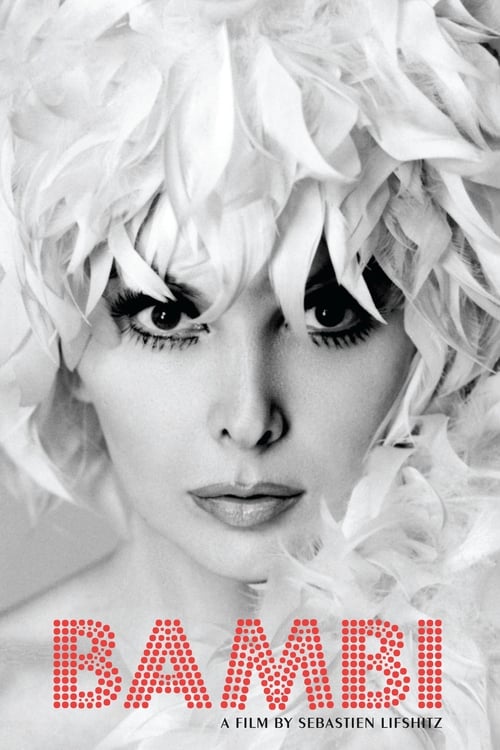
Bambi was born Jean-Pierre Pruvot in a tiny Algerian village in 1935. Even as a child, she refused to meet the expectations of her extended family, choosing instead to find a way to become the woman she always knew herself to be. A Cabaret Carrousel de Paris performance in Algiers in the 1950s proved to be all the encouragement she needed to emigrate to the French capital, assume the stage name of ‘Bambi’ and lead the life she longed for on the music-hall stages.
2023
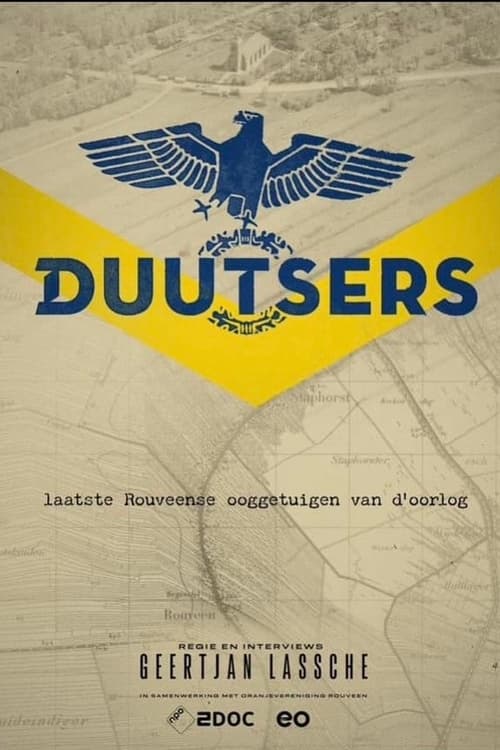
How was the Second World War experienced in Rouveen, Overijssel? This Orthodox Christian village near Staphorst was self-sufficient during the war. And largely isolated from the outside world. The last eyewitnesses of the war, the children of that time, are now all very old. In the Duutsers, residents of the Overijssel village of Rouveen talk movingly openly about their war memories to fellow villager and filmmaker Geertjan Lassche. Their stories are interspersed with historical video fragments and photos from the past. This is how an honest child's view of growing up in a rural village unfolds. How did the war come to the village? Who is that stranger in the village in front of them, that German? And in what those of other strangers? When does unrest arise, and unrest in fear of hatred? What about the Jewish labor camps in the village and how did they view the Canadian liberators?
1974
From transvestites to transformers, we will follow the trail that will lead us in different and famous Parisian music-halls, such as the mythical Alcazar of Paris, La Grande Eugène. Whether they are below or beyond their character, often these men who are looking for themselves look at life with the humor of despair. Why this need to "transform" themselves? Why is it always the men who cross-dress and not the women? Why did the public flock to these shows in the 1970s and 1980s? Interpretations of famous characters such as Diana Ross, Josephine Baker, Billie Holiday, the Peter Sisters, the Andrew Sisters, Zizi Jeanmaire, Judy Garland, Sarah Bernhardt, among others, contribute to making this musical document an essential testimony of this era.